

Home Our ServicesConnect Education Workshops
HomeOur ServicesConnect Education Workshops
Accessing Cancer Treatment in Rural Communities
Listen Now


Topics Covered
- Overview of People in Rural Communities Accessing Cancer Treatment: Getting Diagnosed & Treated for Cancer in Rural Communities
- Working with Your Health Care Team to Get the Best Care Near Home
- Dealing with Cancer Treatments & Other Co-Morbid Health Concerns in Rural Communities
- Specific Questions to Ask Your Health Care Team about Cancer Clinical Trials
- Participating in Clinical Trials in Rural Communities
- Working with Your Health Care Team to Manage Each Symptom, Treatment Side Effect, Discomfort & Pain
- Adjusting to Your Cancer Treatment Over Time
- The Importance and Challenges of Taking Your Treatment on Schedule: Adherence and Review of Resources to Remind You to Take Your Treatment on Schedule
- Communicating with Your Oncology Team about Who on the Team to Contact with Questions and Key Questions to Ask
- Discussing Quality-of-Life Concerns with Your Health Care Team
- Questions for Our Panel of Experts
Our Panel of Experts
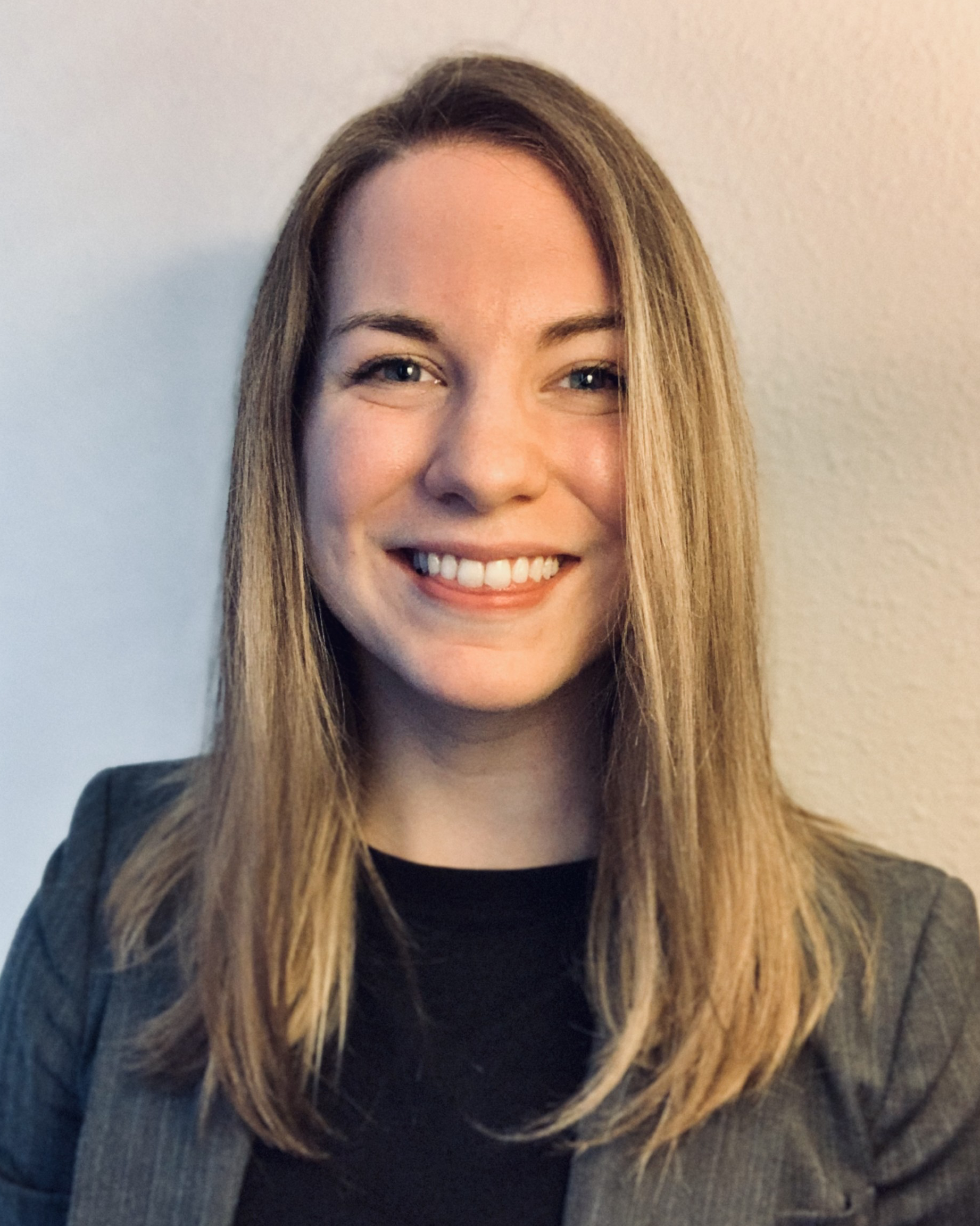
Kayla W. Miranda, MD
Hematologist/Oncologist, Michael E. DeBakey V.A. Medical Center, Assistant Professor, Section of Hematology and Oncology, Baylor College of Medicine
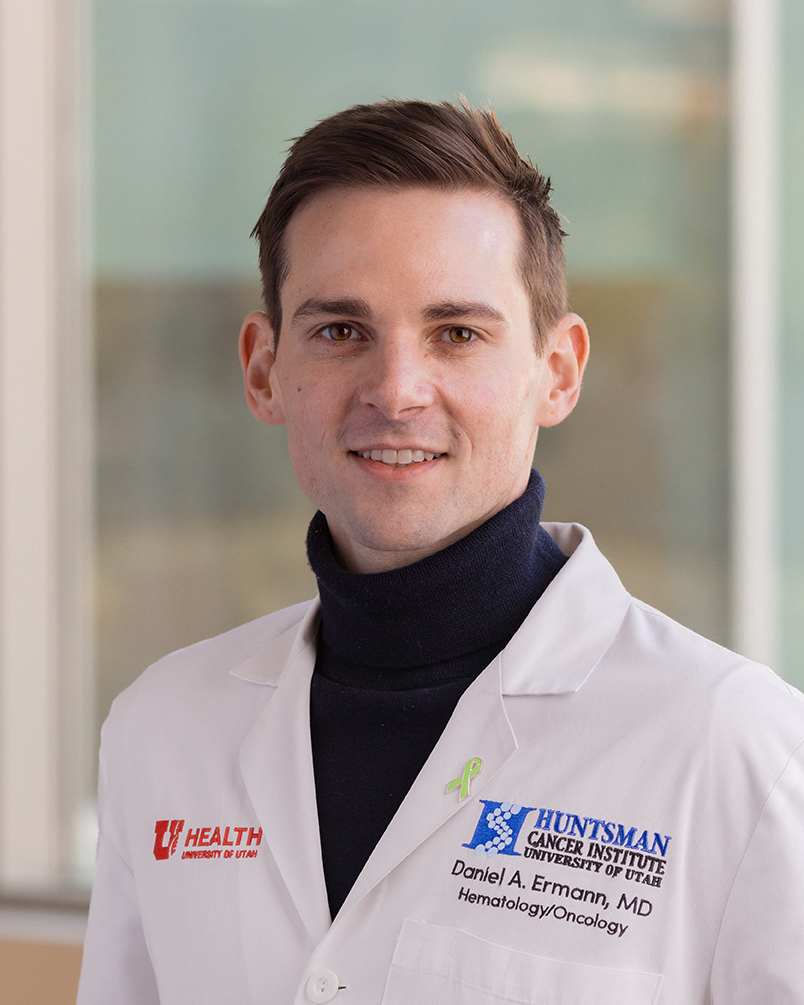
Daniel A. Ermann, MD
Assistant Professor of Medicine, Division of Hematology & Hematological Malignancies, Clinical Investigator, Chronic Lymphocytic Leukemia and Lymphoma, Huntsman Cancer Institute, University of Utah, Salt Lake City, UT
Anny Fenton, MA, PhD
Faculty Scientist, Center for Interdisciplinary Population and Health Research, MaineHealth Institute for Research
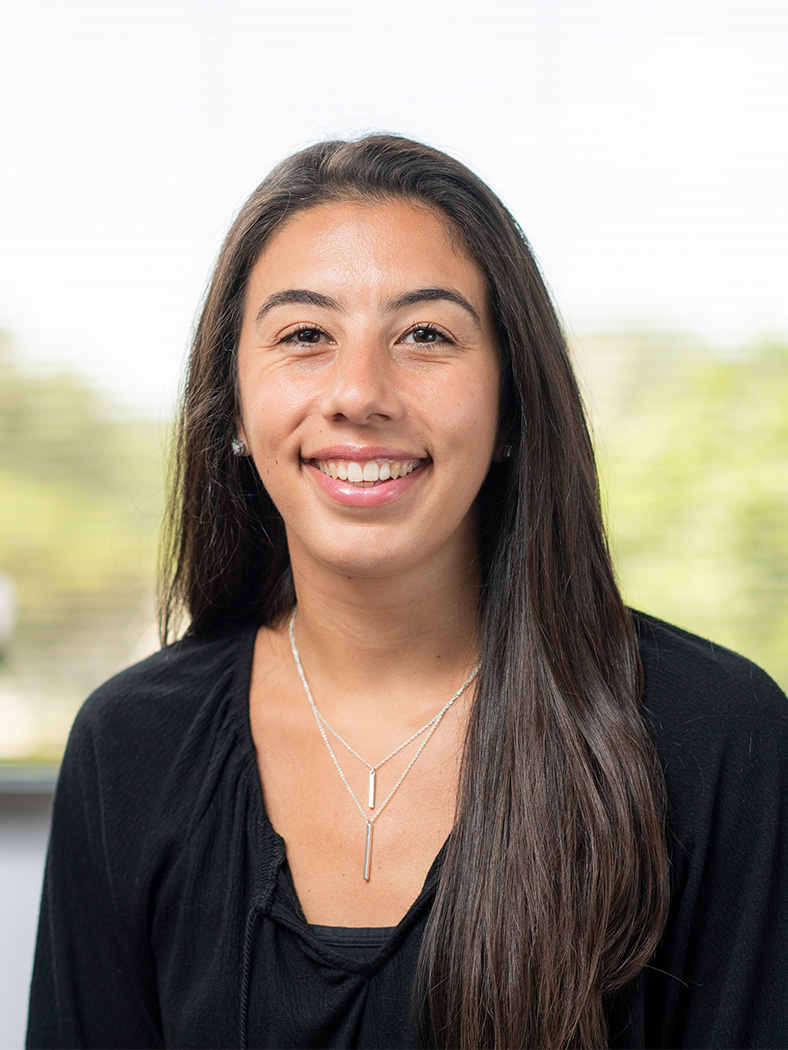
Nikki Molfetas, MSW, OSW-C
Oncology Social Worker, New Jersey Program Coordinator, CancerCare
Brochure
You can download the brochure for this workshop 
Workshop Date
This workshop was originally recorded on June 12, 2026.